Sensory Play Ideas for Every Age: A Complete Guide
Watch a toddler encounter a bowl of cooked spaghetti for the first time. They don't hesitate — fingers plunge in, strands get lifted and dropped, the texture examined with a seriousness that would impress any researcher. This is sensory play in its purest form: a child using their senses to understand the world. And it turns out, that squishy spaghetti investigation is doing far more developmental work than it might appear.
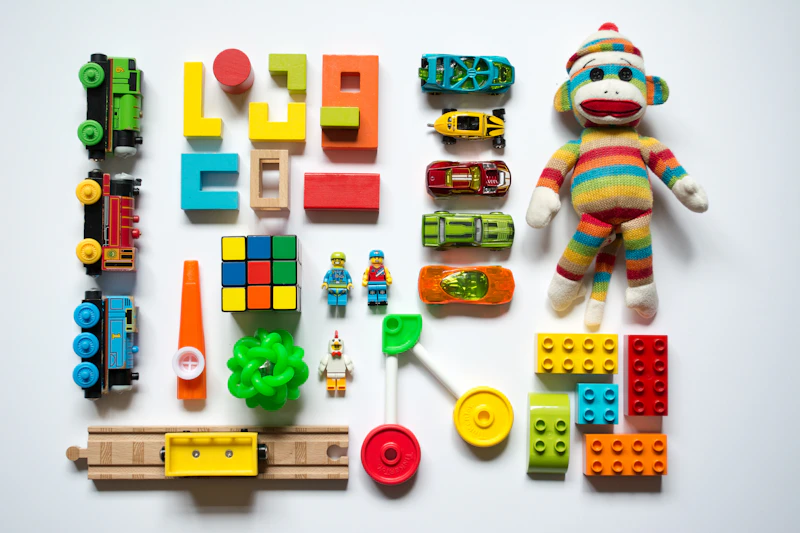
Sensory play — any activity that stimulates one or more of the senses — is one of the most powerful and accessible tools in a parent's repertoire. It doesn't require expensive kits or elaborate setups. It requires curiosity, some materials, and a willingness to let things get a little messy. This guide covers everything you need to know, with age-appropriate ideas from birth through the early school years.
Why Sensory Play Matters
The brain develops rapidly in the first five years of life, and sensory experiences are a primary driver of that development. When children explore textures, sounds, smells, tastes, and visual stimuli, they're building and strengthening neural pathways — the connections between brain cells that underlie everything from language and reasoning to emotional regulation and social skills.
Research from the CDC on early brain development confirms that rich sensory environments in the early years are associated with stronger cognitive outcomes. Sensory play specifically supports:
- Cognitive development: Exploration builds cause-and-effect understanding, spatial reasoning, and problem-solving skills.
- Language development: Describing textures, actions, and sensations gives children new vocabulary in a meaningful, memorable context.
- Fine and gross motor skills: Pouring, stirring, squeezing, pinching, and carrying all refine motor control and coordination.
- Emotional regulation: Many sensory activities — particularly those involving deep pressure, rhythm, or calming textures — help children manage their arousal levels and regulate their nervous systems.
- Scientific thinking: Children naturally hypothesize, experiment, and observe during sensory play, laying the groundwork for STEM thinking long before school begins.
The American Academy of Pediatrics emphasizes that play — including sensory and exploratory play — is essential to healthy brain development and should be protected as a fundamental part of every child's day.
Understanding the Sensory Systems
Most people think of five senses, but children actually have eight sensory systems that sensory play can engage:
- Tactile (touch): Skin receptors respond to pressure, temperature, texture, and pain.
- Visual: Light, color, movement, depth, and spatial relationships.
- Auditory: Sound, rhythm, pitch, and volume.
- Olfactory (smell): One of the most powerful memory-linked senses.
- Gustatory (taste): Flavor, temperature, and texture in the mouth.
- Vestibular: Movement and balance — detected by the inner ear. This sense is engaged when children swing, spin, or tumble.
- Proprioceptive: Body awareness — knowing where your limbs are in space without looking. Engaged by pushing, pulling, climbing, and carrying heavy objects.
- Interoceptive: Internal body signals — hunger, thirst, heartbeat, and the awareness of emotions as physical sensations.
Well-rounded sensory play engages multiple systems. A child carrying a bucket of water across the yard is getting vestibular input (balance), proprioceptive input (heavy load), tactile input (water temperature and texture), and visual input all at once.
Sensory Play for Babies (0–12 months)
Even newborns engage in sensory play — they're just doing it on a much gentler scale. The goal in infancy is to provide varied, safe sensory input that supports neural development without overwhelming a still-developing nervous system.
0–3 months
At this stage, infants are most responsive to high-contrast visuals, gentle sound, and touch. Keep activities simple and watch for signs of overstimulation (turning away, fussing, going glassy-eyed).
- Hold black-and-white patterned cards about 8–12 inches from their face and move them slowly.
- Gently stroke different textures — a soft cloth, a smooth ribbon, a slightly textured board book cover — across their palms and feet.
- Sing and vary your pitch, tempo, and volume. The human voice is a baby's richest early sensory experience.
- Carry them in different positions to engage the vestibular system — upright against your chest, cradled, or held securely on your shoulder.
4–6 months
Babies this age are reaching, grabbing, and starting to mouth everything. Hand them objects of varying weight, texture, and sound. Crinkle toys, rubber rings, soft fabric squares, and wooden teethers all offer different sensory experiences safely.
7–12 months
Now things get messier — and more exciting. This is the age of banging, splashing, and putting absolutely everything in their mouth. Supervision is essential, but so is freedom to explore.
- Supervised messy play with soft foods: mashed banana, yogurt, pureed sweet potato spread on a highchair tray.
- Water play in a shallow dish or during bath time — pouring and splashing with small cups.
- Treasure baskets filled with safe household objects of different textures, weights, and sounds (wooden spoon, metal measuring cup, silicone spatula, fabric swatch).
Sensory Play for Toddlers (1–3 years)
Toddlers are sensory explorers by nature. They want to touch, taste, smell, shake, and generally investigate everything in their environment. The key is channeling this drive into structured-but-flexible sensory experiences that are safe and rich with learning.
Sensory Bins
A sensory bin is simply a container filled with a base material and some tools for exploration. The possibilities are nearly endless — but toddlers still put things in their mouths, so stay within arm's reach and keep anything small enough to fit entirely in your child's mouth out of the bin. The American Academy of Pediatrics lists marbles, coins, small balls, and toys with small parts among the household choking hazards to keep away from young children.
- Rice or dried lentils with measuring cups, funnels, and scoops. Pouring and transferring develops fine motor control and spatial reasoning.
- Cloud dough (8 parts flour, 1 part oil) — it holds its shape when squeezed but crumbles apart. Endlessly satisfying for toddler hands. One caution: the FDA advises against letting children use raw dough for crafts or play clay, because raw flour can carry germs such as E. coli and Salmonella, and even children who don't eat it may put their hands in their mouths. A cornstarch-and-oil version avoids raw flour altogether.
- Cooked pasta (cooled, with a little oil to prevent sticking) with chunky toy dinosaurs or vehicles — too big to fit in your child's mouth — hidden inside for excavation.
- Sand or kinetic sand with a selection of large toys, big shells, or oversized scoops to find and sort. Save pebbles and small shells for older children who no longer mouth objects.
Skip water beads entirely. The U.S. Consumer Product Safety Commission advises parents not to let children play with them and to remove them from homes with children: swallowed beads can expand inside the body and cause dangerous blockages. A federal safety standard for water-bead toys took effect on March 12, 2026, but CPSC's advice to keep them away from children still stands.
Messy Play
Research consistently shows that children who are allowed to engage in messy play develop better fine motor skills and more positive attitudes toward sensory exploration. Lay down a splat mat or head outside, dress for mess, and allow the chaos.
- Finger painting with washable paints — focus on the process, not the product. Let them smear, mix, and cover the paper entirely.
- Mud kitchen play: digging, filling, stirring, and "cooking" with soil, water, leaves, and sticks.
- Shaving cream spread on a table or tray — children can draw patterns, mix in a drop of food coloring, or simply squish and smear.
Movement and Proprioceptive Play
Toddlers need lots of whole-body movement. Proprioceptive and vestibular input is deeply calming for most children and is one of the most effective tools for emotional regulation.
- Obstacle courses using cushions, stepping stones, and low ramps.
- Carrying and pushing: a small backpack filled with light weights, pushing a wagon, carrying groceries.
- Rolling and crashing: a crash pad (a large pile of cushions or a gym mat) where children can roll, fall, and tumble safely.
- Swinging — the rhythmic vestibular input of a swing is one of the most regulating sensory experiences available to young children.
Sensory Play for Preschoolers (3–5 years)
Preschoolers bring imaginative, creative play into sensory experiences. A bin of kinetic sand isn't just sand — it's a building site, a desert island, a cake shop. Lean into this by incorporating props and open-ended materials that invite narrative.
Science-Based Sensory Exploration
At this age, children can begin to understand simple cause-and-effect and enjoy experiments with predictable outcomes:
- Baking soda and vinegar: Let them control the quantities. Watch their delight grow as they learn that more vinegar means more fizz.
- Oobleck (cornstarch and water): A classic for good reason. This non-Newtonian fluid feels solid when pressed but liquid when held gently — it defies expectations and invites genuine scientific curiosity.
- Color mixing: Primary color paints or dyed water let children discover color theory through direct experience.
- Frozen excavation: Freeze small toys in a block of ice and let children chip and melt them free with tools, salt, or warm water.
Nature Sensory Play
The outdoors offers the richest sensory environment of all. Encourage preschoolers to engage all their senses outside through simple nature activities — and to slow down enough to really notice. As we explore in our post on the power of outdoor play, nature engagement supports focus, emotional wellbeing, and creativity in ways that indoor environments can't match.
- Collect natural materials on a walk (leaves, pebbles, sticks, seed pods) and sort, arrange, or create with them.
- Barefoot walking on different surfaces: grass, sand, mud, smooth stone, bark chips.
- Sound mapping: sit quietly and draw or point to all the sounds you can hear. How many different sounds can you find?
- Gardening — digging, watering, and caring for plants engages tactile, olfactory, and proprioceptive senses simultaneously.
Sensory Play for School-Age Children (5–8 years)
Older children still benefit enormously from sensory play, though it evolves in sophistication. The key is to honor their growing need for competence and complexity while preserving the open-ended exploration that makes sensory play valuable.
- Slime-making: Older children can follow a recipe, adjust variables, and experiment with different textures (fluffy, crunchy, butter, clear). The process is as satisfying as the product.
- Building with natural materials: Challenge them to build the tallest structure from sticks and clay, or a bridge that holds a specific weight. Engineering and sensory play merge seamlessly.
- Cooking and baking: An underrated sensory activity — kneading dough, tasting as you go, smelling ingredients, and observing transformations through heat are richly multi-sensory.
- Art with unusual materials: Printmaking with vegetables, sculpture with air-dry clay, weaving with found materials. The more varied the medium, the more sensory engagement.
Supporting Sensory-Sensitive Children
Some children are more sensitive to sensory input than others. They may resist messy play, become overwhelmed by noise, or react strongly to certain textures. This is more common than many parents realize and doesn't indicate a problem — it's simply a different sensory profile.
For sensory-sensitive children:
- Never force engagement with sensory materials. Watch and wait, offer gradually, let them observe before touching.
- Start at the edges — if a child resists putting their hands in paint, let them try a brush, then a finger-sized paintbrush, then eventually a finger.
- Follow their lead about intensity — some children seek intense sensory input while others need gentle, predictable stimulation.
- Recognize that their reactions are real, not performance. "That texture feels really strange to your hands" validates their experience without reinforcing avoidance.
Creating a calm, predictable home environment can significantly reduce the baseline sensory load for sensitive children, giving them more resources to engage with novel sensory experiences when they're offered.
Practical Tips for Sensory Play at Home
The biggest barrier to sensory play for most parents is the mess. Here are approaches that reduce cleanup anxiety without reducing the play's value:
- Designate a sensory zone: A specific corner of the kitchen or a patch of garden where mess is expected and accepted reduces anxiety for everyone.
- Use a splat mat: A cheap plastic tablecloth under any indoor sensory activity contains mess remarkably well.
- Dress for it: An old t-shirt and shorts signal to the child (and to yourself) that this time is for messy play.
- Involve children in cleanup: Sweeping rice back into a bin, wiping down a tray with a sponge, hosing off the outdoor table — cleanup itself can be sensory play.
- Keep it simple: The most elaborate sensory setups are rarely the most engaging. A bowl of water and a few measuring cups can absorb a toddler for longer than a carefully curated sensory bin.
Bringing It All Together
Sensory play doesn't need a schedule, a budget, or a Pinterest board. It needs curiosity — yours and your child's. The next time you're at the sink doing dishes, invite your toddler to play in the warm water. On your next walk, let them stop and crunch leaves, pick up pebbles, and squelch through mud. At snack time, let them explore the texture of their food before eating it.
The developmental magic happens in the everyday moments of sensory engagement, not in any special activity. Your role is simply to make space for exploration, stay present while it happens, and resist the urge to hurry things along. As we explore in our look at growth milestones in the early years, every child develops at their own pace — and rich sensory play creates the conditions for that development to unfold naturally and fully.
Let them get messy. Let them explore. Trust the process. Their developing brains are doing remarkable work every time they plunge their hands into something new.
Want to stay updated on our journey?
Join our mailing list